CiteDash AI vs Elicit: an alternative for the whole thesis
An honest Elicit alternative for graduate students: where Elicit's paper-finding and data extraction shine, and why a grounded, verified, end-to-end thesis workflow is a different job.
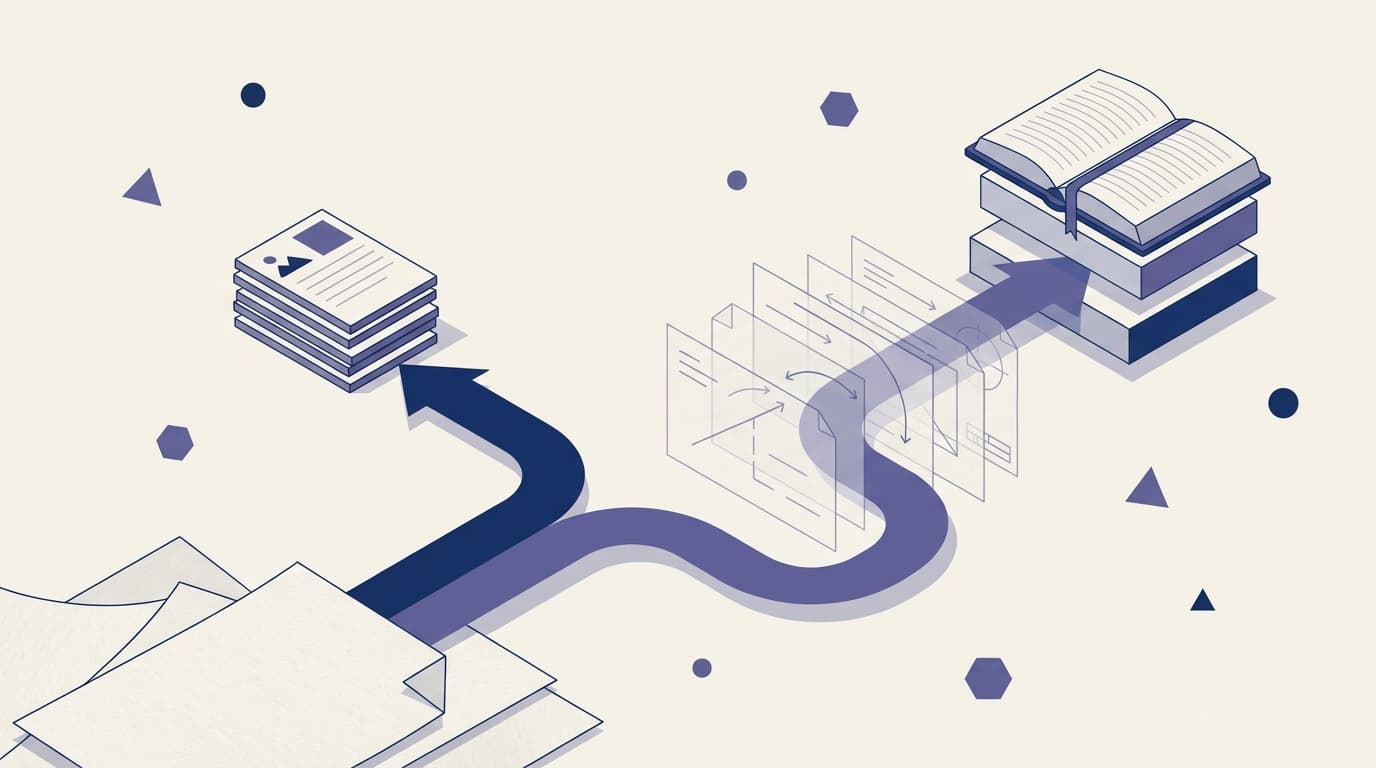
If you are looking for an Elicit alternative, it helps to be precise about what you actually need next, because the two tools are strongest at different parts of a thesis. Elicit is a genuinely good research assistant, and the honest comparison isn't "which is better" in the abstract, but "which fits the stage you're at." This piece lays out where Elicit is excellent and where a grounded, end-to-end workflow like CiteDash AI is the better fit, so you can choose without a sales pitch.
What Elicit is genuinely good at
Elicit is best known for the discovery and screening stage: finding relevant papers from a research question and pulling structured details out of many papers into a table you can scan. For a literature search or a first-pass evidence extraction across dozens of studies, that table-building workflow is fast and useful, and a lot of people reach for it early in a review.
The question is what happens after the table. A thesis is not finished when you have a spreadsheet of findings; that is roughly where the hard part begins.
Where a thesis needs more: grounded citations you can defend
Screening and extraction get you organized evidence. Writing the thesis then means turning that evidence into cited prose that survives scrutiny, and that is a different guarantee. In CiteDash AI a citation is never free text a model writes: it is a database row that must resolve to a real paper, and a generated citation that doesn't resolve is rejected before you see it. There is no free-text reference anywhere in the product, so a fabricated reference has nowhere to exist.
It goes one step further than "the paper is real." Every cited sentence is checked against the cited paper's stored full text (never its abstract, never a model's memory) and labelled supported, partial, unsupported, or unverified before it reaches you. Organized evidence is the input to that; the verification is what makes the finished chapter defensible.
One stage vs the whole lifecycle
The deeper difference is scope. Discovery and extraction are two jobs; a thesis is a dozen in sequence: question, search, read, synthesise, design and analyse, draft, revise, cite, check, and compile. CiteDash carries one project through all of them on a single library and a single verification ledger, so the sources you found feed the synthesis, the synthesis feeds the draft, and the draft compiles to a formatted document with a deduplicated bibliography. Search reaches 250M+ works across OpenAlex, PubMed, Semantic Scholar, and arXiv, and every action is logged for the AI-use disclosure your institution may ask for.
Side by side
- Find and screen relevant papers: Elicit yes (a core strength); CiteDash yes, across four scholarly sources.
- Extract structured data across many papers: Elicit yes; CiteDash yes, bound to source spans you can click back to.
- Citations guaranteed to resolve to a real paper: CiteDash yes (database rows, rejected if they don't resolve).
- Each claim checked against the source's full text: CiteDash yes, with four honest verdicts.
- Drafts, revision, and grounded thesis writing: CiteDash yes; a discovery/extraction tool is not built for this stage.
- Compiles the thesis to DOCX, PDF, or LaTeX with a formatted bibliography: CiteDash yes.
- Audit trail and AI-use disclosure for your examiner: CiteDash yes.
The honest verdict
If your immediate need is finding and screening literature, Elicit is a strong tool and worth using. If your need is turning that literature into a written, cited, verified thesis you can defend, and doing the reading, synthesis, analysis, drafting, and compile on one grounded system, that is the job CiteDash is built for. You can try the difference without a card: start free with the signup credit grant, or open the demo without an account.