Guides & help, page 3.
Page 3 of 4 of our practical, honest guides to getting the most out of CiteDash AI.
 Guides8 min read
Front matter done right: acknowledgements, declarations, abstracts
Get thesis front matter right: title page, abstract structure, declarations and AI-use disclosure, acknowledgements, and generated contents pages.
 Guides8 min read
How to write the conclusion chapter
Write a thesis conclusion that answers your research questions, states contributions without overclaiming, and turns limitations into strengths.
 Guides7 min read
How to check if a paper has been retracted
How to check any paper for retraction before you cite it, how to sweep a full thesis bibliography, and what to do when a source is withdrawn.
 Guides8 min read
What is a DOI and how to use one
What a DOI is, how to read one, where to find it, and how to use it to build clean citations, a tidy library and an error-free bibliography.
 Guides8 min read
Zotero vs Mendeley vs EndNote: choosing a reference manager
A neutral comparison of Zotero, Mendeley and EndNote for thesis writers: how each positions itself, and the questions that decide the choice.
 Guides7 min read
How to export your thesis to LaTeX, DOCX or PDF
DOCX, PDF or LaTeX? When each thesis export format is the right target, what to check before compiling, and how to keep the bibliography intact.
 Compare8 min read
CiteDash vs Elicit: which should you use for your thesis?
CiteDash vs Elicit compared for graduate students: where Elicit's extraction tables shine, and where verified citations and a full thesis workflow win.
 Compare8 min read
CiteDash vs SciSpace: which should you use for your thesis?
CiteDash vs SciSpace compared: where SciSpace's chat-with-PDF reading shines, and where verified citations and a whole-thesis workspace pull ahead.
 Compare8 min read
CiteDash vs Jenni AI
Jenni AI is known for autocomplete-style co-writing. CiteDash verifies every AI claim against real full-text papers. Here is how to choose for a thesis.
 Compare8 min read
CiteDash vs Paperpal
Paperpal is known for polishing academic language. CiteDash grounds and verifies the claims underneath it. An honest comparison for thesis writers.
 Compare8 min read
CiteDash vs Scite: citation context or a full thesis workspace?
An honest comparison of CiteDash and Scite: citation context checking versus a grounded thesis workspace, and why many students use both.
 Compare8 min read
CiteDash vs Consensus: quick evidence answers or a thesis workspace?
CiteDash and Consensus compared for graduate research: quick evidence scoping versus a grounded thesis workspace, and when to use both.
 Trust & verification11 min read
How to write an AI use disclosure statement for your thesis
What to include in an AI use disclosure statement for your thesis: four questions to answer, five statements to adapt, and evidence examiners trust.
 Guides7 min read
CiteDash AI vs Elicit: an alternative for the whole thesis
An honest Elicit alternative for graduate students: where Elicit's paper-finding and data extraction shine, and why a grounded, verified, end-to-end thesis workflow is a different job.
 Guides7 min read
CiteDash AI vs SciSpace: an alternative for your thesis
An honest SciSpace alternative: where SciSpace's read-and-understand-a-paper copilot helps, and why grounded, verified citations across the whole thesis is a different guarantee.
 Guides7 min read
CiteDash AI vs Consensus: an alternative for your thesis
An honest Consensus alternative: where Consensus's evidence search answers a research question, and why writing a grounded, verified thesis from that evidence is a different job.
 Trust & verification7 min read
CiteDash AI vs Jenni AI: an alternative for your thesis
An honest Jenni AI alternative: where AI autocomplete speeds academic writing, and why citations grounded and verified against full text is the difference that survives a viva.
 Trust & verification11 min read
CiteDash AI vs ChatGPT for writing a thesis
An honest comparison of CiteDash AI and ChatGPT for thesis writing: where each helps, where free-text citations break, and what survives a viva.
 Guides11 min read
The best AI tools for PhD students in 2026
A stage-by-stage guide to AI tools for PhD students in 2026: discovery, reading, synthesis, analysis, writing, and the checks before you submit.
 Trust & verification11 min read
Is there an AI that doesn't make up references?
Yes. Fabricated references end when citations are database objects verified against full text. The by-construction answer, plus a test checklist.
 Guides7 min read
How to search 250 million papers with the Literature Finder
Search your corpus and a live sweep of OpenAlex, PubMed, Semantic Scholar, and arXiv in one reranked list: semantic matching, exact DOI lookup, retraction and open-access badges, and saved-search alerts.
 Trust & verification7 min read
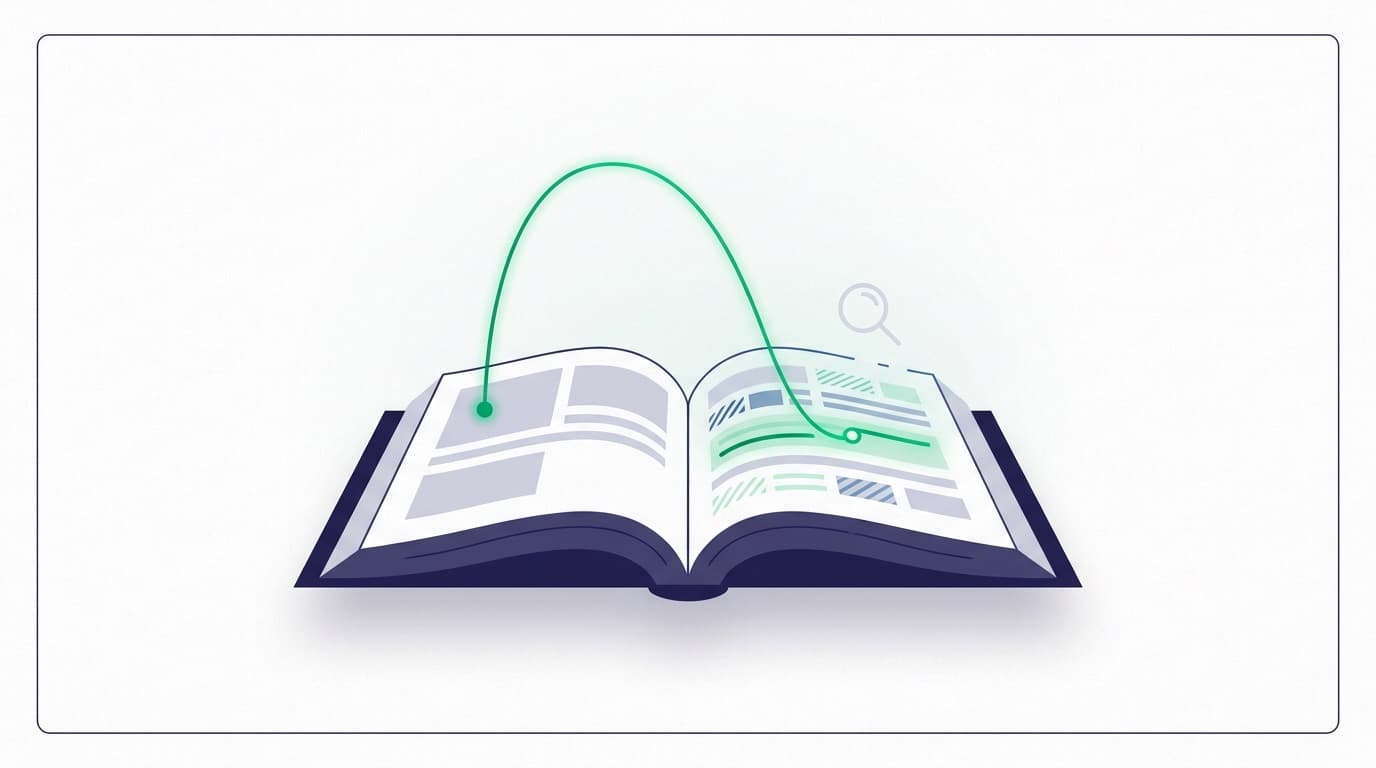
Reading papers with sentence-level provenance
The Library reader answers only from a paper's stored full text and points every answer to the exact source span: ask a PDF questions, explain it at your level, and bank quotes that carry a page-accurate citation.
 Guides6 min read
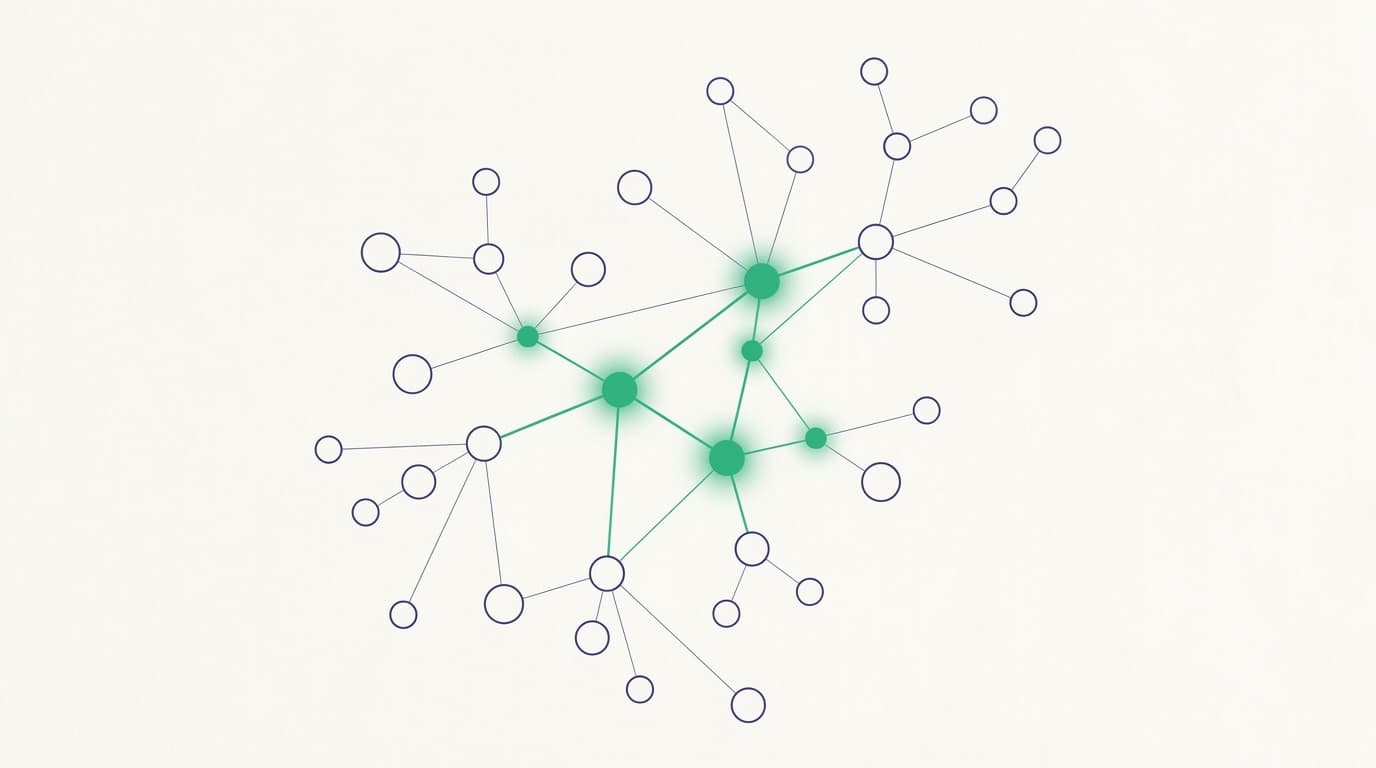
Find the right sources with citation maps and AI recommendations
Discover papers by relationship, not just keywords: read a citation map, snowball outward through citation-graph related papers, and let AI flag which results you would actually cite (with a groundability tier on each).
 Guides8 min read
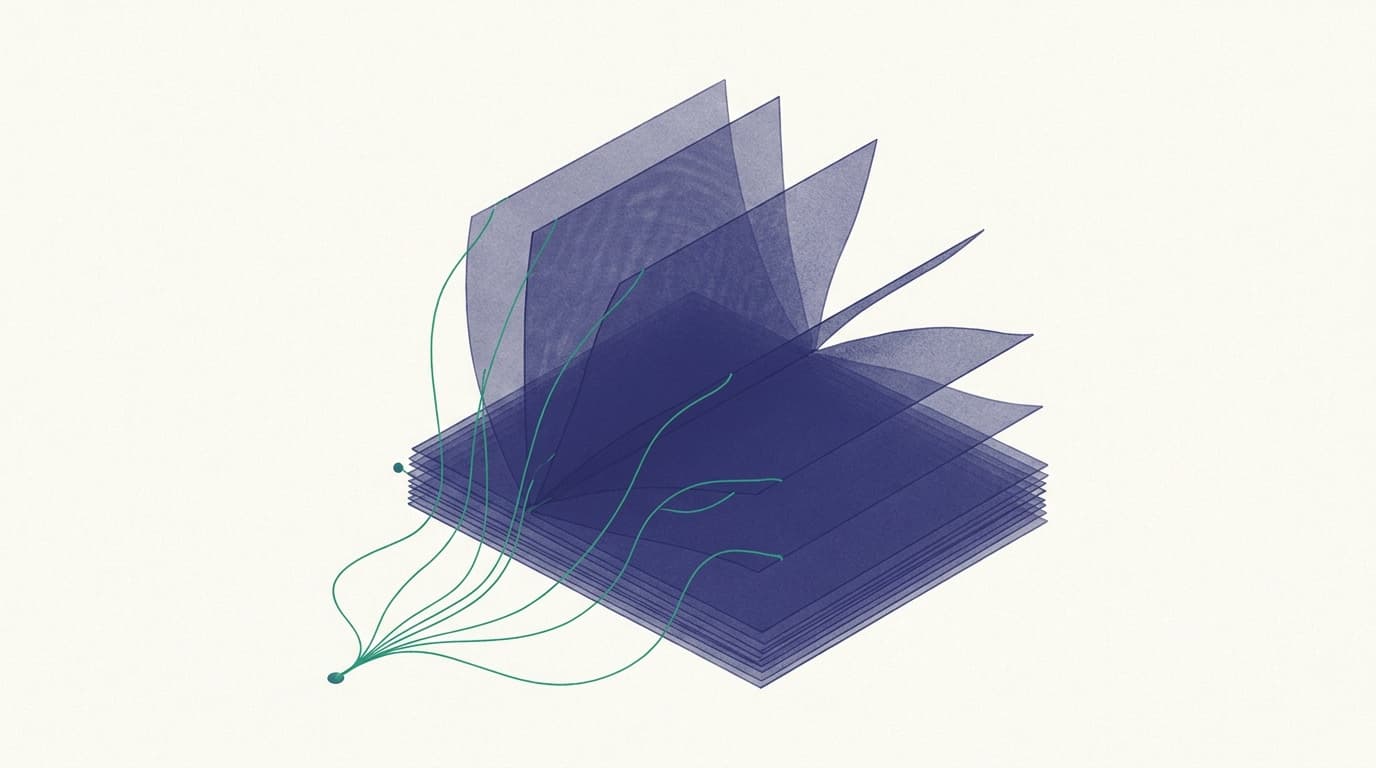
How to draft a thesis chapter with verified citations
Draft a whole thesis chapter in the Thesis Editor: whole-chapter handoffs from your own work, per-paragraph grounding, a citation picker and quote bank, section-by-section verification, and autosaved version history.
Can’t find what you need? [email protected] and we read everything.